
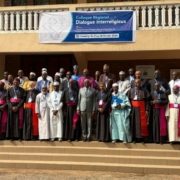
Regional Colloquium on Interreligious Dialogue
FINAL COMMUNIQUÉ
Regional Colloquium on Interreligious Dialogue
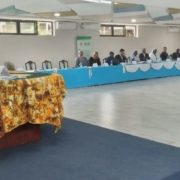
The Regional Colloquium on Interreligious Dialogue, entitled “Muslims and Christians in the Building of Peaceful and Fraternal Societies in Africa and Madagascar,” was jointly organized by the Episcopal Conference of Guinea and the Vatican Dicastery for Interreligious Dialogue within the framework of the launch of the Jubilee Year marking the 150th anniversary of evangelization in Guinea. It was held in Conakry (Republic of Guinea) from Monday, 9 February to Wednesday, 11 February 2026, at the Mgr. Raymond-Marie Tchidimbo Multipurpose Hall of the Archdiocese of Conakry.
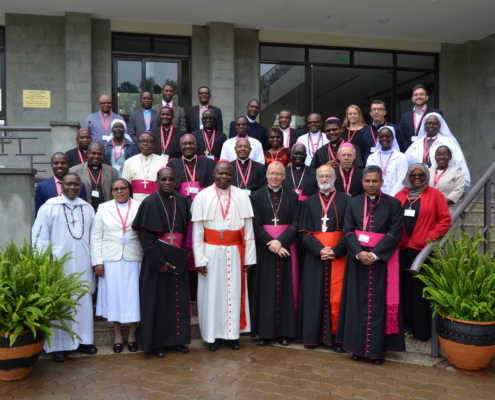
The meeting brought together more than sixty Muslim and Christian religious leaders, Bishops responsible for Commissions for Interreligious Dialogue in Francophone West and Central Africa (Senegal, Mali, Burkina Faso, Benin, Cameroon, Congo, Central African Republic, Chad, Niger, Madagascar, Gabon, Guinea and Morocco), the Secretary and an Official of the Dicastery for Interreligious Dialogue, the Apostolic Nuncio to Guinea and Mali, Government and civil Authorities of the Republic of Guinea, academics, as well as representatives of civil society.
This Colloquium forms part of regional and international efforts aimed at promoting lasting peace, social cohesion, and human fraternity in Africa and beyond. It was convened within a context marked by persistent challenges, including armed conflicts, religious radicalization, identity-based tensions, the globalization of indifference, the instrumentalisation of religion and ethnic identity for personal or institutional gain, forced migration, African diasporas, as well as humanitarian and ecological crises.
The participants reaffirmed that Muslim-Christian dialogue and religious diplomacy constitute essential instruments for the prevention and management of conflicts, particularly in the face of religious radicalization, thereby fostering dialogue, mediation, social cohesion, and the consolidation of peaceful coexistence. They further emphasized the need for strengthened cooperation between religious leaders and governmental and civil authorities, in full respect of their respective competencies and shared responsibilities.
The proceedings of the Colloquium led to the following principal findings:
The participants affirm that:
The participants recommend:
The participants express the desire that this Colloquium will make a lasting contribution to strengthening of interreligious dialogue in Africa and Madagascar and serve as a reference point for similar initiatives in other regions. They reaffirm their commitment to work together for a peaceful, fraternal, and solidary Africa, founded on respect for human dignity, justice, and peaceful coexistence.
The participants express their gratitude to the Episcopal Conference of Guinea, the Dicastery for Interreligious Dialogue, the Apostolic Nunciature in Guinea and Mali, the Government of the Republic of Guinea, the Muslim and Christian religious authorities, as well as to all institutional partners who contributed to the organization of the Colloquium.
Conakry, 11 February 2026
Signatories
For the Dicastery for Interreligious Dialogue
Reverend Mgr Indunil J. KODITHUWAKKU K.
Secretary of the Dicastery for Interreligious Dialogue
For the Episcopal Conference of Guinea
+ His Excellency Mgr Alexis Aly TAGBINO
Bishop of Kankan and President of the Episcopal Conference of Guinea
For Muslim Leaders
El Hadj Mohamed Mansour FADIGA
Vice-President of the High Islamic Council of Guinea
For the Episcopal Commissions for Interreligious Dialogue
His Eminence Dieudonné Card. NZAPALAINGA, CSSp.
Metropolitan Archbishop of Bangui and Representative of the Episcopal Commissions for Interreligious Dialogue
For the Government of the Republic of Guinea
His Excellency Mr Karamo DIAWARA
Minister Secretary General for Religious Affairs of Guinea
For the Apostolic Nunciature in Guinea and Mali
His Excellency Mgr Jean-Sylvain Emien MAMBE
Apostolic Nuncio to Guinea and Mali
For the Archdiocese of Conakry
+ His Excellency Mgr Vincent COULIBALY
Metropolitan Archbishop of Conakry and representative of the Episcopal Conference of Guinea for the Colloquium
[1] Ubuntu is an African philosophy, particularly widespread in southern Africa, which asserts that human identity and dignity are built through relationships with others. It is often summarised by the expression: ‘I am because we are’.
FINAL COMMUNIQUÉ
Regional Colloquium on Interreligious Dialogue
The Regional Colloquium on Interreligious Dialogue, entitled “Muslims and Christians in the Building of Peaceful and Fraternal Societies in Africa and Madagascar,” was jointly organized by the Episcopal Conference of Guinea and the Vatican Dicastery for Interreligious Dialogue within the framework of the launch of the Jubilee Year marking the 150th anniversary of evangelization in Guinea. It was held in Conakry (Republic of Guinea) from Monday, 9 February to Wednesday, 11 February 2026, at the Mgr. Raymond-Marie Tchidimbo Multipurpose Hall of the Archdiocese of Conakry.
The meeting brought together more than sixty Muslim and Christian religious leaders, Bishops responsible for Commissions for Interreligious Dialogue in Francophone West and Central Africa (Senegal, Mali, Burkina Faso, Benin, Cameroon, Congo, Central African Republic, Chad, Niger, Madagascar, Gabon, Guinea and Morocco), the Secretary and an Official of the Dicastery for Interreligious Dialogue, the Apostolic Nuncio to Guinea and Mali, Government and civil Authorities of the Republic of Guinea, academics, as well as representatives of civil society.
This Colloquium forms part of regional and international efforts aimed at promoting lasting peace, social cohesion, and human fraternity in Africa and beyond. It was convened within a context marked by persistent challenges, including armed conflicts, religious radicalization, identity-based tensions, the globalization of indifference, the instrumentalisation of religion and ethnic identity for personal or institutional gain, forced migration, African diasporas, as well as humanitarian and ecological crises.
The participants reaffirmed that Muslim-Christian dialogue and religious diplomacy constitute essential instruments for the prevention and management of conflicts, particularly in the face of religious radicalization, thereby fostering dialogue, mediation, social cohesion, and the consolidation of peaceful coexistence. They further emphasized the need for strengthened cooperation between religious leaders and governmental and civil authorities, in full respect of their respective competencies and shared responsibilities.
The proceedings of the Colloquium led to the following principal findings:
The participants affirm that:
The participants recommend:
The participants express the desire that this Colloquium will make a lasting contribution to strengthening of interreligious dialogue in Africa and Madagascar and serve as a reference point for similar initiatives in other regions. They reaffirm their commitment to work together for a peaceful, fraternal, and solidary Africa, founded on respect for human dignity, justice, and peaceful coexistence.
The participants express their gratitude to the Episcopal Conference of Guinea, the Dicastery for Interreligious Dialogue, the Apostolic Nunciature in Guinea and Mali, the Government of the Republic of Guinea, the Muslim and Christian religious authorities, as well as to all institutional partners who contributed to the organization of the Colloquium.
Conakry, 11 February 2026
Signatories
For the Dicastery for Interreligious Dialogue
Reverend Mgr Indunil J. KODITHUWAKKU K.
Secretary of the Dicastery for Interreligious Dialogue
For the Episcopal Conference of Guinea
+ His Excellency Mgr Alexis Aly TAGBINO
Bishop of Kankan and President of the Episcopal Conference of Guinea
For Muslim Leaders
El Hadj Mohamed Mansour FADIGA
Vice-President of the High Islamic Council of Guinea
For the Episcopal Commissions for Interreligious Dialogue
His Eminence Dieudonné Card. NZAPALAINGA, CSSp.
Metropolitan Archbishop of Bangui and Representative of the Episcopal Commissions for Interreligious Dialogue
For the Government of the Republic of Guinea
His Excellency Mr Karamo DIAWARA
Minister Secretary General for Religious Affairs of Guinea
For the Apostolic Nunciature in Guinea and Mali
His Excellency Mgr Jean-Sylvain Emien MAMBE
Apostolic Nuncio to Guinea and Mali
For the Archdiocese of Conakry
+ His Excellency Mgr Vincent COULIBALY
Metropolitan Archbishop of Conakry and representative of the Episcopal Conference of Guinea for the Colloquium
[1] Ubuntu is an African philosophy, particularly widespread in southern Africa, which asserts that human identity and dignity are built through relationships with others. It is often summarised by the expression: ‘I am because we are’.